
Built to Last: How Ultra-High-Net-Worth Families Use Ultra-Prime Real Estate to Transfer Wealth Across Generations
This is not a coincidence. It reflects something structural – a set of qualities that prime property possesses that other asset classes do not. At Unica Capital, we work with families who understand this. And the data, from some of the most authoritative sources in global wealth management, increasingly confirms what experienced investors have long known: the right property in the right place is not simply a home. It is one of the most enduring wealth transfer vehicles a family can hold.
The Scale of What Is Being Transferred
Before examining why prime real estate plays such a central role in generational wealth planning, it is worth understanding the scale of the challenge it is helping to solve.
According to research from Cerulli Associates, an estimated $84 trillion will change hands between now and 2045 – the largest intergenerational transfer of assets in history. The families navigating this transfer are doing so in an environment of significant complexity: shifting tax regimes, geopolitical uncertainty, multi-jurisdictional holdings, and rising generations with different priorities and risk tolerances than their predecessors.
The response from family offices has been clear. According to Knight Frank’s Wealth Report 2025 – one of the most comprehensive annual analyses of private wealth and real estate globally – direct real estate already accounts for 22.5% of the typical family office portfolio. More significantly, 44% of family offices surveyed indicated they intend to increase their real estate allocation over the next 18 months. Among those family offices that already manage private residential portfolios, nearly a quarter are actively considering new acquisitions.
This is not a trend driven by sentiment. It is a structural response to the limitations of other asset classes when measured against the specific demands of multi-generational wealth transfer.
Why Ultra-Prime Property Works Across Generations
Capital Preservation With Tangible Utility
The most fundamental advantage of ultra-prime real estate over other alternative assets is a simple one: you can live in it. Art, private equity, and collectibles all offer potential appreciation, but they do not function as homes. Ultra-prime property does both simultaneously – it preserves and grows capital while serving as a place for families to gather, live, and build shared experience.
This dual utility matters more than it is often given credit for. A family that holds a significant lakefront estate in Geneva or a carefully restored townhouse in Mayfair is not simply holding a financial instrument. They are holding a place that carries meaning across generations – that becomes, over decades, a repository of family memory as well as family capital. That emotional dimension is not incidental to the investment case. It is part of what sustains demand, and therefore value, in the very best locations.
Structural Scarcity That Cannot Be Manufactured
The second structural advantage is scarcity. In the markets where Unica Capital operates – London, Geneva, the Swiss Alps, and Monaco – the supply of ultra-prime real estate is genuinely finite. It cannot be expanded by developers, replicated by new construction, or diluted by changing fashions. In Monaco, the land constraint is absolute. In Gstaad, strict planning regulations ensure that the character and exclusivity of the built environment is preserved. Along the Swiss lakefront, planning frameworks prevent the kind of overdevelopment that has diminished value in other European markets.
This means that when a family acquires an ultra-prime asset in one of these locations, they are acquiring something that will not become less scarce over time. The opposite is true: as international wealth continues to grow and the number of families competing for a fixed supply of exceptional assets increases, the structural conditions that underpin long-term value only strengthen.
Knight Frank’s research consistently shows that prime residential markets in tightly constrained locations – London’s Mayfair and Knightsbridge, Geneva’s lakefront, the most coveted Alpine destinations – have delivered consistent, long-term capital appreciation that outperforms broad market benchmarks over extended holding periods.
Legal Certainty and Jurisdictional Stability
For families managing wealth across multiple jurisdictions, the legal and regulatory environment of a property market is as important as the asset itself. This is an area where the markets Unica focuses on offer a distinct advantage.
Switzerland, where Unica holds significant residential assets including Villa Carinthia in Founex and projects in Gstaad, offers a level of legal certainty, political neutrality, and currency stability that is unmatched in Europe. Swiss property law is well-established, the franc is historically resilient, and the country’s political environment has demonstrated decade after decade of continuity. For families looking to hold assets across generations, these are not peripheral considerations – they are foundational.
London, despite the political noise of recent years, remains one of the world’s deepest and most liquid prime property markets, underpinned by common law property rights, transparent transaction processes, and a concentration of global capital, education, and culture that continues to attract the wealthiest families in the world. Mayfair, where Unica holds commercial assets on Cork Street, and the surrounding prime residential areas remain consistently among the top destinations for UHNW property acquisition.
Monaco, where Unica is currently developing Le Montaigne Penthouse, offers its own distinct advantages: zero property tax, no inheritance tax for direct descendants, and absolute land scarcity that ensures the principality remains among the most desirable and value-preserving real estate environments on the planet.
A Hedge Against Financial Market Volatility
The generational wealth transfer conversation is happening in a context of genuine uncertainty. Geopolitical volatility, interest rate cycles, currency fluctuation, and the increasing complexity of global financial markets mean that families managing long-term portfolios require assets that can absorb and weather economic cycles without catastrophic loss of value.
Ultra-prime real estate in stable, supply-constrained markets has historically performed this function better than almost any other asset class over long holding periods. It does not suffer the mark-to-market volatility of listed equities. It is not exposed to the liquidity pressures that can affect private equity during downturns. And in the right locations, it tends to find its floor quickly during periods of market stress – because the buyer pool for the finest assets in the finest places is genuinely global and structurally insulated from short-term economic pressures.
According to InvestmentNews, UHNW families in 2025 increasingly prioritised assets offering “control, visibility, and downside protection” in response to shifting geopolitical conditions – characteristics that ultra-prime real estate, held across the right portfolio of jurisdictions, delivers structurally.
The Role of Location in Generational Value Creation
Not all property works as a generational asset. The families that have built the most enduring real estate legacies understand that location is not simply about where a property is – it is about the underlying conditions that will sustain demand, protect value, and make the asset relevant decades from now.
At Unica Capital, the framework we apply to every acquisition begins with a consistent set of questions. Is this a location where supply is genuinely constrained, by regulation, geography, or both? Is international demand structural and sustained, or is it driven by a cyclical trend that may reverse? Does the property possess an architectural and spatial quality that will remain desirable as tastes evolve? And does the jurisdiction in which it sits offer the legal certainty and stability that long-term holding requires?
London, Geneva, Gstaad, and Monaco pass each of these tests with a consistency that few other markets can match. They are not fashionable destinations. They are permanent ones – places that have drawn the world’s most discerning families for generations, and that show no structural signs of losing that appeal.
Villa Carinthia on the shores of Lake Geneva is a clear expression of this thinking. Its location in Founex offers scale that cannot be replicated – lakefront land of this proportion, with uninterrupted water frontage and the privacy that discerning buyers prioritise, is not a product the Geneva market can produce again. It is the kind of asset that a family acquires once and holds across decades.
Chalet Oberbort in Gstaad is another. The world’s largest private chalet, set within the Oberbort enclave – one of the most tightly held addresses in the Swiss Alps – it is an asset defined both by its extraordinary scale and by the planning certainty that ensures its setting will not be diminished. Gstaad’s strict development regulations have maintained the character of the village and its surroundings for generations. They will continue to do so.
Passing It On: The Practical Dimension
For all the philosophical arguments in favour of ultra-prime real estate as a generational asset, the practical dimension matters too. How does property held across jurisdictions interact with estate planning structures? How do families ensure that the emotional and financial value of a prime asset is preserved through succession?
These are questions that Unica Capital works through in partnership with the families we serve. The answers are jurisdiction-specific and structure-dependent – but some principles apply broadly.
Holding ultra-prime assets within appropriate legal structures – Swiss holding companies, UK trust arrangements, Monegasque estate frameworks – can significantly reduce the complexity and cost of cross-generational transfer. The permanence of legislation such as the One Big Beautiful Bill Act in the United States, which permanently increased estate tax exclusions to $15 million per individual from 2026, signals a broader political direction that favours the retention and transfer of substantial asset bases across generations.
The Bank of America Private Bank’s Family Office Study found that 87% of family offices have yet to pass leadership to younger generations, but 59% expect that transition within the next decade. As that handover accelerates, the families best positioned will be those whose assets are held in the right structures, in the right markets, in properties with the combination of financial resilience and emotional permanence that prime real estate uniquely provides.
What Endures
The families that have built the most durable multi-generational wealth share a particular quality in how they think about real estate. They do not approach it as a trade. They approach it as a foundation – something built to last, in a location that will remain desirable long after the economic conditions of today are a footnote.
At Unica Capital, we share that perspective. Our portfolio spans London, Geneva, the Swiss Alps, and Monaco – markets chosen precisely because they combine the conditions that sustain long-term value: genuine scarcity, legal certainty, sustained international demand, and an irreplaceability that cannot be manufactured.
The right property in the right place is not just an asset. It is a statement of intent – a decision to build something that your children, and their children, will still want to hold.
That is what we help families do.
Beyond London, Geneva, & Monaco: The European Luxury Property Markets Capturing Investor Attention
The fundamentals that made London and Geneva so enduring – restricted supply, natural beauty, international demand, and institutional scarcity – are not unique to those cities. They exist, in varying degrees, across a number of European markets that have historically sat just beyond the mainstream investment conversation. That is beginning to change.
The Case for Geographic Diversification
For ultra-high-net-worth investors, portfolio diversification has always extended beyond asset class. Geographic diversification – holding ultra prime property across multiple jurisdictions — is now a structural priority rather than an aspiration. According to Altrata’s World Ultra Wealth Report 2025, the global UHNW population has reached 510,810 individuals collectively controlling nearly $60 trillion in wealth, and these investors are increasingly maintaining residential footprints across multiple countries. Real estate, for this cohort, functions simultaneously as a lifestyle asset, a wealth preservation vehicle, and a hedge against single-market exposure.
The question for those advising UHNW families is no longer whether to diversify geographically, but where. The answer increasingly points beyond the established prime markets to a handful of European destinations characterised by limited land supply, growing international demand, and the kind of natural and architectural scarcity that underpins long-term value.
Lake Como: A Market Defined by Its Constraints
Few markets illustrate the power of scarcity as clearly as Lake Como. The combination of its dramatic alpine lakefront setting, strict planning restrictions, and enduring international appeal has created a real estate environment where supply is genuinely constrained and demand continues to outpace it.
The numbers reflect this. According to research compiled by Investropa, property prices in Como municipality rose by 9.27% year-on-year as of mid-2025 — significantly outpacing Italy’s national residential average. In the most coveted locations, prime lakefront properties exceed €12,000 per square metre, and luxury villas in areas such as Bellagio and Laglio regularly trade between €5 million and €40 million. Importantly, international buyers represent over 80% of the luxury segment, with strong demand from American, British, German, and Swiss buyers. Multiple-offer situations for lakefront properties remain common, and sellers in prime locations have little incentive to negotiate on price.
For investors, the compelling aspect of Lake Como is not the headline numbers alone — it is the structural conditions that underpin them. Planning restrictions are rigorous. New development in the most prestigious areas is tightly controlled. Waterfront land is finite. These are not temporary conditions; they are built into the geography and regulatory landscape of the region. Engel & Market Report 2025 confirms continued price stability and slight growth in the luxury segment, underpinned by ongoing international demand and scarce supply of quality homes. For Unica Capital, these are precisely the market characteristics that inform long-term investment conviction.
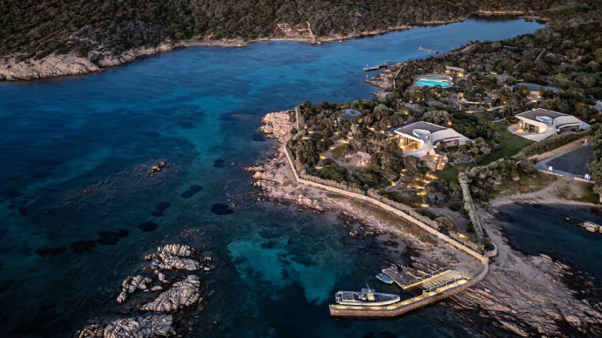
Sardinia’s Costa Smeralda: Ultra-Luxury in a Protected Landscape
The Costa Smeralda occupies a category of its own within the European luxury market. Created as a purpose-built resort zone in the 1960s, its architectural regulations, strict building density controls, and protected coastline have maintained a level of exclusivity that few comparable destinations can match. This is a market where supply is not merely limited — it is deliberately preserved.
Prime residential prices in Costa Smeralda increased by 18% in 2023, representing the second-highest growth rate in Italy. Porto Cervo maintains average property values of €19,375 per square metre, with the most exceptional waterfront properties reaching €27,000 per square metre. The average property value across the Costa Smeralda stands at approximately €15.2 million. International buyers account for around 80% of all transactions, with demand particularly strong from European, Middle Eastern, and American buyers — many purchasing with cash.
What distinguishes Costa Smeralda from other luxury coastal markets is its absolute commitment to the preservation of landscape and character. LVMH’s reported moves in 2025 to integrate iconic local hotel properties into its portfolio signal the continued appetite of global capital for this market — and the broader shift towards branded, experience-led luxury real estate that commands premium values. For investors seeking an asset that is simultaneously scarce, internationally recognised, and deeply aligned with the direction of high-end travel and lifestyle spending, Sardinia represents one of the most compelling cases on the European map.
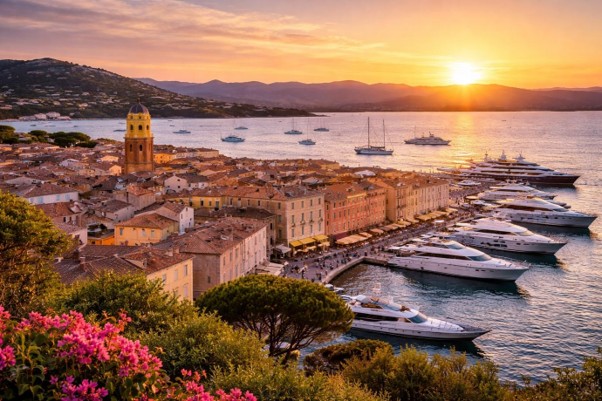
St. Tropez: The Endurance of the Iconic
St. Tropez has long been understood as a lifestyle destination. What is increasingly recognised is its character as one of Europe’s most resilient and liquid ultra-prime real estate markets. According to data from Barnes International and Côte d’Azur Sotheby’s International Realty, median home prices in St. Tropez reached approximately €20,900 per square metre in mid-2024 — a level surpassed only by Monaco within the European context. Prime villa prices average around €18,000 per square metre, with the most exceptional estates trading in the €15 to €30 million range. One transaction in 2024 — businessman Ken Griffin’s acquisition of the former Gunter Sachs estate — reportedly reached €85.5 million, reflecting the depth of appetite at the very top of this market.
International buyers account for approximately 70% of prime purchasers in St. Tropez, with Gulf States buyers alone representing around 25% of Riviera international acquisitions in 2024. Strict zoning laws protect the area’s natural beauty and limit new development, creating the same supply-side discipline that characterises the other markets examined here. In 10 years, villa prices in St. Tropez have risen by more than 30%, and the market has demonstrated consistent resilience through economic cycles — largely because its buyer base is drawn from a demographic that is structurally insulated from short-term interest rate and credit market pressures.
The market does face seasonal characteristics and requires careful asset selection — but for investors seeking a market with genuine global brand recognition, proven liquidity at the top end, and robust long-term appreciation, St. Tropez remains one of the most credible options in Europe.
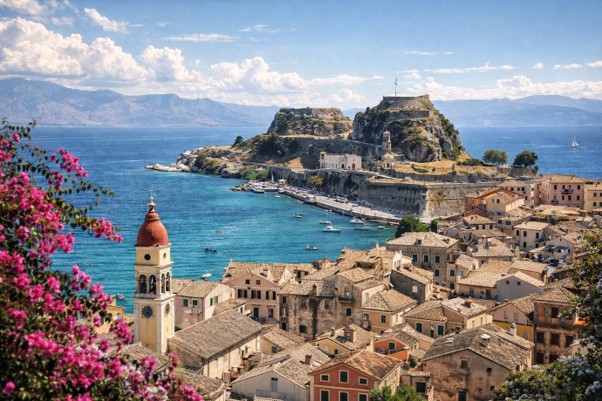
Corfu: The Emerging Case
Corfu occupies a different position in this conversation. It is not yet an established ultra-prime market — and that is precisely what makes it interesting for investors with a longer time horizon. Improved infrastructure, growing connectivity, and rising international interest have begun to draw attention to the island’s natural beauty, architectural heritage, and relative affordability compared to the other Mediterranean markets discussed here.
The fundamentals that matter — coastal scarcity, tourism-driven demand, and limited development land — are present. The premium is not yet fully priced in. For investors willing to position ahead of the mainstream, Corfu represents the kind of early-stage opportunity that, in retrospect, tends to define the strongest long-term portfolios.
What These Markets Share
The destinations discussed here are not uniform in character or maturity. What they share are the structural conditions that Unica Capital believes underpin durable long-term value in prime real estate: genuine supply constraints rooted in geography or regulation, proven and growing international demand, lifestyle appeal that transcends economic cycles, and an intrinsic scarcity that cannot be manufactured by development.
These are also markets where the quality of asset selection matters enormously. The difference between a well-located lakefront villa in Bellagio and a peripheral apartment in Como is not merely a matter of preference — it is a fundamental investment distinction. In markets defined by scarcity, the most scarce assets carry the most durable premiums.
Unica Capital’s Perspective
At Unica Capital, we have spent years identifying, financing, and managing real estate opportunities in prime European markets. Our portfolio spans London, Geneva, Gstaad, and Monaco — markets we know in depth, and in which we have built a track record of creating long-term value through careful asset selection, design-led development, and considered management.
Our approach to evaluating emerging markets follows the same discipline. We look for the conditions that have defined the success of our established portfolio locations: restricted supply, exceptional natural or urban settings, sustained international demand, and the kind of architectural and locational quality that holds its value over generations — not just cycles.
The European luxury property map is expanding. For investors and wealth advisors who understand the fundamentals, the opportunity is not simply to follow where capital has gone, but to identify where those same conditions exist before they are universally recognised. That is the work we do — and it is why we remain committed to looking beyond the obvious to find what endures.
Trophy Assets: Why Luxury Homes Are Becoming a Strategic Alternative Investment
This is not a new phenomenon. The wealthiest families have long held prime real estate alongside art, private equity, and other alternative assets. What has changed is the degree of intentionality. Today’s UHNW investors are thinking about luxury property with the same analytical rigour they apply to their financial portfolios — and for good reason.
The Scale of UHNW Wealth and Its Real Estate Implications
Understanding why trophy real estate matters requires understanding the scale and composition of the UHNW universe. According to Altrata’s World Ultra Wealth Report 2025, there are now approximately 510,810 ultra-high-net-worth individuals worldwide — each with a net worth exceeding $30 million — collectively controlling nearly $60 trillion in wealth. This represents roughly double the annual GDP of the United States. The UHNW cohort accounts for 32.4% of all wealth held by high-net-worth individuals globally, despite representing just 1.1% of that population.
For families operating at this level, traditional portfolio construction frameworks have limited utility. A 60/40 stock-bond allocation does not address the complexities of multi-generational wealth preservation, jurisdictional risk, or the desire to hold assets that are simultaneously functional and financially meaningful. Real estate — particularly prime real estate — fills a structural gap that liquid financial assets cannot. Knight Frank’s Wealth Report 2025 found that 44% of family offices plan to increase their real estate allocations, underscoring a broad and sustained conviction in the asset class.
What Makes a Property a Trophy Asset
Not all luxury property qualifies as a trophy asset in the investment sense. The distinction lies in a combination of factors that, taken together, create a level of scarcity, desirability, and long-term demand that underpins durable capital appreciation.
Location is the most fundamental. Trophy assets occupy positions that cannot be replicated — a lakefront setting in Geneva, a clifftop estate on the Costa Smeralda, a historic townhouse in Mayfair, or an alpine chalet in Gstaad. These are places where the underlying land carries intrinsic value that is entirely independent of the structure built upon it, and where planning restrictions ensure that supply can never meaningfully expand to meet demand.
Architectural distinction is the second pillar. The most valuable residential assets in the world share a commitment to design quality, material excellence, and spatial intelligence. They are properties built not to the prevailing standard of their time, but to a standard that endures beyond it. This is a dimension that separates genuinely irreplaceable assets from properties that are merely expensive. At Unica Capital, this conviction shapes every project we undertake — from the wellness-integrated design of Chalet Oberbort in Gstaad to the architectural ambition of O’Belmont by Jean Nouvel in Geneva, where stone, wood, and marble are brought together under the direction of one of the world’s most respected architects.
Scale and scarcity complete the picture. The most sought-after trophy assets are singular in character — either in their size, their provenance, or their combination of qualities. They are properties for which there is no direct substitute, and that quality is precisely what sustains their value through market cycles.
Real Estate in the Context of Alternative Investment
To appreciate the investment case for trophy real estate, it is worth considering how it compares to the other categories of alternative investment commonly held within UHNW portfolios.
Fine art commands significant attention among collectors and investors. The global art market generates substantial transaction volumes annually, and exceptional works from established artists have demonstrated meaningful long-term appreciation. However, art carries significant risks that real estate does not: pricing is opaque and highly subjective, liquidity is limited outside major auction cycles, and the asset provides no utility beyond its aesthetic or cultural value. Storage, insurance, authentication, and provenance create ongoing costs and complexity.
Classic cars and rare collectibles share some of the appreciation characteristics of art, but with even greater liquidity constraints and higher ongoing maintenance costs. Yachts — perhaps the most aspirational of lifestyle assets — are straightforwardly depreciating assets. The operational costs of a luxury yacht routinely represent 10–15% of its purchase value annually, and resale values decline consistently over time. Neither category provides the capital preservation characteristics that define a genuine long-term investment.
Private equity and venture capital have delivered strong historical returns — private equity has historically outpaced public markets by two to four percentage points annually — but these strategies require complete illiquidity over lock-up periods of seven to ten years, carry substantial concentration risk in early-stage cycles, and provide no utility to the investor beyond financial return.
Prime real estate occupies a different category entirely. It combines the intrinsic utility of a home — which is not a trivial consideration for families seeking both financial and lifestyle value — with capital preservation characteristics, tangible asset ownership, and a form of scarcity that is genuinely structural rather than artificially maintained. According to Knight Frank’s Global Super-Prime Intelligence data, transactions above $10 million increased in value by 33% globally in Q2 2025 compared to the prior year, reflecting renewed and deepening conviction at the top
end of the market.
Capital Preservation and the Scarcity Premium
The most consistent investment characteristic of trophy real estate — the one that persists across economic cycles, interest rate environments, and geopolitical shifts — is the scarcity premium. In prime locations, supply is fixed. The number of lakefront metres on Lake Geneva will not increase. The hectares of protected coastline on Sardinia’s Costa Smeralda are already fully mapped. The heritage townhouses of Mayfair were built in the eighteenth and nineteenth centuries and will not be replicated.
This structural scarcity creates a fundamental imbalance between supply and demand that, in the very best locations, has only widened over time. The global UHNW population is forecast by Altrata to grow to 676,970 individuals by 2030 — an increase of 31% from mid-2025. The supply of genuinely irreplaceable prime real estate will not grow at all. The investment logic, at this level, is straightforward.
This is reinforced by the performance data. Prices in St. Tropez have risen by more than 30% over the past decade, with villa values reaching an average of approximately €21,000 per square metre. Prime residential prices in Costa Smeralda increased by 18% in 2023 alone. Lake Como luxury values have appreciated consistently, with prime properties regularly achieving €10,000–€15,000 per square
metre in the most coveted locations. These are markets where the long-term direction of capital is structurally determined, not cyclically influenced.
Multi-Generational Wealth and the Legacy Dimension
Perhaps the most underappreciated dimension of trophy real estate as an investment is its multi-generational character. For UHNW families, the question is rarely ‘what will this be worth in five years?’ It is ‘what kind of asset will this become for the next generation, and the one after that?’
A prime property in an exceptional location — particularly one defined by architectural distinction and material quality — is not merely a financial asset. It is a place. It carries the memory of time spent, the identity of a family’s values and aesthetic, and the continuity of a long-term relationship with a location. These are qualities that appreciate in ways that no financial model fully captures, and they are qualities that the most enduring family fortunes have understood intuitively for generations.
Luxury real estate held over two or three generations in the right location does not merely preserve capital. It becomes a legacy — a tangible expression of long-term thinking, designed for those who will inherit it as much as for those who first acquire it.
Yield Potential and the Rental Dimension
While capital preservation and lifestyle value are the primary drivers for most UHNW buyers of trophy real estate, it is worth noting that the finest properties in prime locations also carry meaningful income potential. In St. Tropez, high-end villas commonly achieve €20,000 to €50,000 per week during peak summer season, generating short-term rental yields of 5–10% annually for well-managed properties.
In Sardinia’s Costa Smeralda, prime rental rates have doubled since 2019 in the most sought-after locations. In Switzerland’s most desirable alpine markets, occupancy among luxury chalet operators remains consistently strong.
Rental income is rarely the primary motivation for investors at this level — and nor should it be, since yield optimisation can conflict with the long-term preservation of asset quality. But the income potential adds a further dimension to the investment case, particularly for family offices and wealth managers seeking diversified return streams within a broader alternative allocation.
Unica Capital’s Approach
At Unica Capital, we have built our portfolio around a clear and consistent philosophy: that the most enduring investment in real estate is one in which exceptional location, design-led execution, and long-term thinking converge. Our assets — from Villa Carinthia on the shores of Lake Geneva to Chalet Oberbort in Gstaad, from our commercial portfolio in Mayfair and Soho to Villa Odile in Monaco
— are selected and developed with a view that extends well beyond the current cycle.
We believe that the properties which preserve and grow capital most reliably over time are those in which scarcity, quality, and place are held in deliberate balance. These are not properties built to a market moment. They are built to a standard of permanence — designed to be lived in, invested in, and passed on.
The distinction between a residence and a trophy asset is ultimately one of intention and execution. When both are present, the investment case for prime real estate is among the most compelling available to any serious long-term portfolio. That is the conviction that drives every decision at Unica Capital — and it is why we continue to focus, without compromise, on the properties and locations that will endure.
Luxury Renovation vs. New Build: Cost, Risk, and Yield in Europe’s High-End Property Market
1. The Allure of Heritage Restoration
Historic assets carry a unique blend of cultural gravitas, architectural distinction, and scarcity value. In Europe’s most desirable locations – from city penthouses in Geneva to hillside villas overlooking Lake Geneva – restored properties can command significant premiums over modern equivalents.
Why Heritage Matters to Investors
Heritage architecture is irreplaceable. It carries not just aesthetic appeal but market differentiation. In prime residential markets such as Geneva and the surrounding lakeside municipalities, restored properties in established enclaves consistently command significant premiums over modern equivalents – a reflection of enduring demand for rare, character-rich real estate that cannot be replicated.
Regulatory and Planning Complexity
Restoration projects are often enmeshed in heritage protections, conservation mandates, zoning requirements, and extended planning cycles. While these can increase timelines and cost uncertainty, they also create barriers to competition, preserving value for successful execution.
Unica’s Approach to Heritage Restoration
Across its heritage projects in Geneva and the Swiss lakeside municipalities, Unica Capital has developed a disciplined approach to restoration that balances architectural continuity with the demands of contemporary luxury living. This means navigating local planning frameworks and conservation requirements with care, while applying the same standards of craftsmanship and material quality that define the broader portfolio. The result, in each case, is an asset that honours its original character while delivering the specification and finish that today’s most discerning buyers expect. Where heritage restoration succeeds, it translates rarity and cultural resonance into premium market positioning – often outpacing comparable new builds in long-term capital appreciation.
Where heritage restoration succeeds, it translates rarity and cultural resonance into premium market positioning – often outpacing comparable new builds in long-term capital appreciation.
2. The Efficiency of New Builds
New constructions offer a fundamentally different proposition: control, efficiency, and clarity of specification.
Design Freedom and Operational Performance
With new builds, developers can integrate the latest in energy performance, smart infrastructure, wellness design, and sustainability features from the ground up. These factors not only influence asset quality but also operational costs and investor appeal.
Higher energy-efficiency standards – now commonplace in European luxury developments – contribute to lower ongoing expenses and deliver greater appeal to environmentally conscious tenants and buyers.
Predictability and Timelines
While land scarcity and regulatory hurdles remain in many markets, new builds offer:
- Clear build specifications
- Predictable cost frameworks once permits are secured
- The ability to structure deliverables around market demand curves
This makes them well suited to yield-focused strategies and time-sensitive capital deployment.
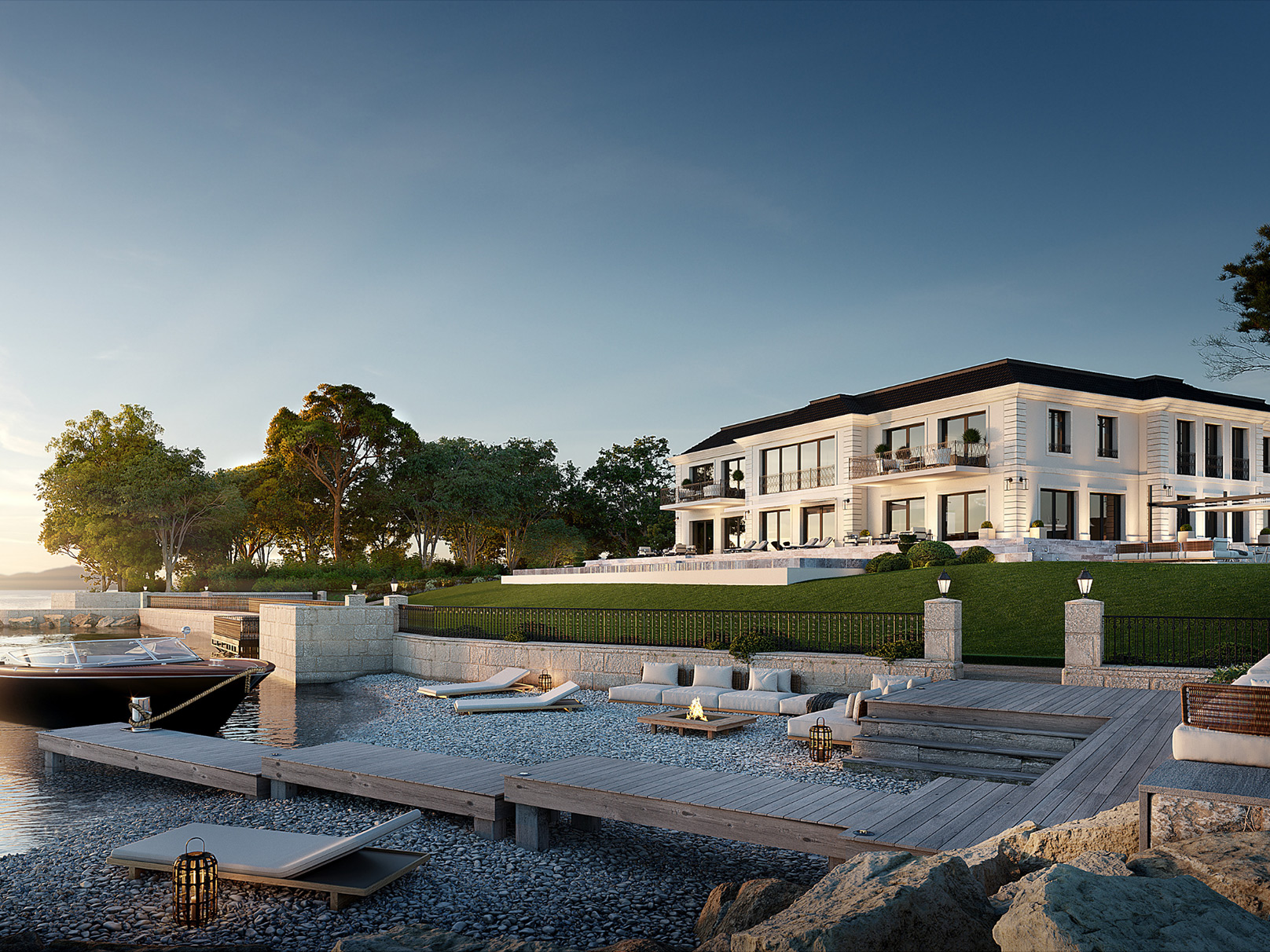
Showcase: Villa Carinthia — A New Benchmark
In contrast to restoration, Unica Capital’s Villa Carinthia represents the potential of new builds to redefine luxury living. This expansive residence on Lake Geneva demonstrates how meticulous planning, bespoke amenities, and cutting-edge design can produce a trophy asset with significant appeal to ultra-high-net-worth buyers.
3. Comparing ROI and Liquidity
Heritage Renovation Investment Dynamics
Renovated historic assets tend to deliver stronger capital appreciation due to:
- Limited competition
- High barriers to replacement
- Desirable aesthetic and cultural appeal
However, they may exhibit lower liquidity and longer marketing periods, as the buyer pool for such asset types is often narrower and more specialised.
New Builds: Income Stability and Exit Clarity
New builds often exhibit:
- Predictable rental yields
- Broader market appeal
- Standardised valuation metrics
According to European market data, prime new-build residential properties typically generate gross rental yields in the 3–5% range, offering stable income streams supportive of diversified portfolios.
The optimal choice depends on whether an investor prioritises capital growth (heritage restoration) or income reliability and liquidity (new builds).
4. Sustainability & ESG Considerations
Adaptive Reuse and Carbon Efficiency
From an ESG perspective, adaptive reuse – renewing existing structures – can produce sustainability benefits by retaining embodied carbon and minimising landfill and demolition waste. This aligns with progressive environmental mandates and can enhance long-term asset narratives for investors with ESG targets.
Operational Efficiency in New Builds
New constructions, when done well, can deliver best-in-class operational sustainability, driven by passive building standards, renewable energy integration, advanced insulation, and smart energy management systems.
Investors should therefore evaluate both the embodied carbon benefits of restoration and the operational efficiencies of new builds against their ESG and reporting priorities.
Conclusion: Matching Strategy to Vision
There is no universal answer to the luxury renovation versus new build debate.
The right choice depends on investment objectives, market conditions, regulatory environments, and investor philosophy.
- Heritage renovation excels for those seeking unique capital appreciation, cultural value, and scarcity-driven pricing.
- New builds suit investors prioritising predictability, operational efficiency, and broader market liquidity.
At Unica Capital, we combine local insight with global perspective to identify and execute opportunities across both strategies, delivering assets that resonate with market demand and investor ambitions alike.
Whether you’re evaluating the merits of luxury renovation vs new build or weighing European property investment strategies more broadly, the best outcomes arise from aligning strategy with vision and execution capability.
Key Luxury Property Trends to Watch in 2026: What’s Shaping Europe’s Prime Real Estate Market
The European luxury property market has entered a more measured and deliberate phase. After several years marked by disruption, capital restraint, and policy shifts, ultra-high-net-worth investors are approaching real estate with renewed focus on fundamentals.
Between 2024 and 2025, inflationary pressure, elevated borrowing costs, and geopolitical uncertainty reshaped investor behaviour across Europe. Transaction volumes slowed, but demand at the very top of the market remained resilient. Prime assets continued to trade, particularly those offering scarcity, long-term relevance, and personal utility.
According to Mordor Intelligence, the European luxury residential real estate market is projected to reach approximately USD 644 billion in 2026, growing at close to 5 percent annually through the end of the decade.
As interest rates begin to stabilise and selective rate cuts emerge across parts of Europe, 2026 is shaping up as a year of cautious optimism. Capital that paused is beginning to re-enter the market, but with sharper underwriting, longer holding horizons, and higher expectations of quality.
This is not a return to speculative excess. It is a recalibration. For UHNW investors, luxury real estate is being reassessed through the lens of durability, experience, and legacy.
1. The Rise of Smart Legacy Investments
For ultra-high-net-worth individuals, property plays a dual role. It is both a financial instrument and a long-term store of value that can span generations. In 2026, this thinking is becoming more deliberate.
Knight Frank’s Wealth Report indicates that more than 60 percent of UHNW investors now prioritise capital preservation over short-term growth when allocating to real assets.
This shift has led to growing interest in what can be described as smart legacy investments. These are assets chosen not only for yield or appreciation, but for their enduring relevance. They tend to sit in prime locations with structural supply constraints, often carrying architectural or historical importance.
Heritage properties with scope for considered renovation are particularly attractive. When handled carefully, these assets can be brought up to modern living standards while retaining the qualities that give them lasting appeal. Importantly, this approach avoids erasing the character that underpins long-term value.
At Unica Capital, smart legacy thinking underpins how opportunities are identified and managed. The focus is on assets that already possess weight in their market and can be refined rather than reinvented. This approach supports both resilience through cycles and alignment with intergenerational investment goals.
2. Design Meets Durability
Design preferences in the luxury market are shifting away from statement-led interiors toward restraint and longevity. In uncertain environments, buyers favour homes that feel grounded, considered, and capable of ageing well.
Savills research shows that prime European homes characterised by timeless architecture and high-quality materials can outperform trend-driven properties by up to 12 percent over a ten-year holding period.
Durable design begins with material choices. Natural stone, solid timber, and locally sourced materials are increasingly favoured for their longevity and ability to be maintained rather than replaced. Craftsmanship matters, not as a marketing story, but as a contributor to the long-term integrity of the asset.
At Unica Capital, design integrity is treated as a core investment consideration. Architecture is respected. Original features are preserved where possible. New interventions are intentional and understated. The goal is not visual impact alone, but coherence and longevity.
This approach results in homes that remain relevant well beyond completion. Properties that feel calm and assured rather than tied to a particular moment in time.
3. The Geo-Diversified Portfolio
Geographic diversification has become an increasingly important strategy for UHNW property investors. Concentration in a single city or jurisdiction exposes portfolios to regulatory, fiscal, and demand-side risk.
Across Europe, investors are expanding beyond traditional global centres into complementary markets that offer stability, lifestyle appeal, and supply discipline.
The Alps have emerged as one of the most compelling examples. Once viewed primarily as seasonal destinations, leading Alpine markets now attract year-round demand driven by wellness, privacy, and improved accessibility.
Knight Frank reports that prime Alpine residential pricing typically ranges between €15,000 and €30,000 per square metre in leading Swiss and French resorts.
These markets benefit from strict planning regulations and limited new supply, supporting long-term value preservation. For investors, Alpine assets often combine personal use with defensive characteristics.
Geneva remains a cornerstone of European wealth. Its political neutrality, international population, and constrained residential supply continue to underpin demand at the top end of the market. Prime assets in Geneva have demonstrated resilience even during broader market slowdowns.
Monaco occupies a unique position globally. With just over two square kilometres of land and constant international demand, scarcity is absolute. According to Knight Frank data cited by Business Insider, 1 million US dollars only buys around 19 square metres of prime residential property in Monaco.
For UHNW investors, diversification across markets such as the Alps, Geneva, and Monaco allows for exposure to different demand drivers while remaining within stable European jurisdictions. This strategy helps balance capital preservation with lifestyle utility.
4. ESG as Luxury’s Quiet Influence
Sustainability considerations are increasingly present in luxury property decisions, though rarely as the primary driver. Rather than pursuing certification for its own sake, UHNW investors are focusing on practical efficiency and long-term performance.
Across Europe, private wealth clients are paying closer attention to sustainability when assessing real estate, not as a headline driver, but as a factor that can influence long-term value and resilience.
In practice, this translates into greater attention on insulation, energy efficiency, air quality, and operating costs. Frameworks such as Minergie in Switzerland, and LEED or BREEAM elsewhere, have helped raise baseline expectations around building performance.
At Unica Capital, sustainability is approached pragmatically. The emphasis is on building quality and efficiency that enhance comfort and longevity, rather than chasing labels. When integrated thoughtfully, these elements support both liveability and long-term asset resilience.
5. Experience-Centric Living
Perhaps the most significant shift in luxury real estate is the growing emphasis on experience. Today’s UHNW buyers expect homes to support health, privacy, and quality of life on a daily basis.
According to the Global Wellness Institute, wellness-focused real estate is one of the fastest-growing segments in the global property market, driven by demand for environments that support physical and mental wellbeing.
Experience-centric living goes beyond spa amenities. It encompasses natural light, acoustic comfort, access to outdoor space, and thoughtful layouts that promote calm and privacy. Many UHNW investors now seek properties that function as private retreats, offering a micro-resort experience within the home.
This aligns closely with Unica Capital’s approach to property creation. Wellness and biophilic principles are integrated from the earliest design stages. Indoor and outdoor spaces are connected. Materials are selected for comfort as well as appearance. Privacy is carefully managed without isolating the home from its surroundings.
These considerations not only enhance daily living, but also strengthen long-term demand and value.
Turning Insight into Investment Action
Luxury real estate in 2026 rewards clarity and discipline. The most resilient assets combine prime location, design integrity, experiential quality, and long-term relevance.
Smart legacy investments, durable design, geographic diversification, and experience-centric living are shaping the next phase of Europe’s prime property markets. For UHNW investors, success lies in aligning capital with assets that are built to endure.
At Unica Capital, this perspective guides every stage of the investment process, from acquisition through development and management. The focus remains on creating and protecting value that lasts across cycles.
To explore Unica Capital’s current portfolio and investment philosophy, visit unicacapital.com.
Why Unica Capital is still investing in the UK
Research from Savills Q2 2025 Central London Office Market Watch showed a 14% rise in leasing activity against the 5-year average in the West End, with take-up at 1.7 million sq ft. Though down on the longer-term average, it shows the resilience of this sector. However, what remains vital for a portfolio’s success is to identify the right properties where demand still outstrips supply, especially in the type of property Unica has, and is adding, to its portfolio.
With acquisitions in Mayfair’s Cork Street, and Soho buildings in Wardour Street and Poland Street, Unica Capital still has the prime West End as a key focus, with CAT A+ spaces offering “plug-and-play” fit-outs across smaller floor plates in increasing demand.
At 55-56 Poland Street our tenants are in good company, with the likes of Meta, Sony, M+C Saatchi and Telefonica close by. Added to this is the rich mix of Soho bars, restaurants and retail on the doorstep – making it an enticing space that our tenants’ workforces want to be part of, with the ease of multiple transport connections that connect the West End to the whole of Greater London and beyond a clear positive.
From basement to fifth floor (with retail positioned on the ground floor), Poland Street’s floor plates range from 90 sqm to 240 sqm (GIA) and continue to prove popular. What also remain key drivers are well-fitted, smart spaces that address sustainability, and are in locations that have an abundance of amenities.
CBRE’s ‘Intelligent Investment’ analysis published in May this year also points to a surge in tenant demand, reporting a 70% increase on the five-year average, with 416 tenants seeking a combined 12.8m sq ft. This was quoted as the highest level of activity since records began in 2016. They did note, however, an imbalance between active demand and take-up, due to several factors, including the length of time it can take to complete deals, as well as flexible office operators not being accounted for correctly. What CBRE also found was that increased fit-out costs can be off-putting for some tenants, with prices running at approximately £500 per sq ft compared to £300-350 per sq ft in 2021. At Unica Capital our experienced team know how to deliver ready-to-go CAT A+ commercial space that negates this need.
JLL also reported increased rents across Central London, driven by limited supplies, pushing prices in the City to £90 per sq ft and in the West End to £165 per sq ft. Addressing this need seems more urgent than ever, and at Unica Capital we continue to find properties that will bridge the gap between supply and demand.
All signs suggest an increase in potential profits for commercial developers who have the right eye for selecting prime sites, and the expertise in transforming and delivering offices that provide sustainable, enjoyable space for people to come together and work collaboratively. With this in mind we will continue to invest in London, whose commercial market remains robust, with exciting opportunities for developers looking to increase their presence, and serve their tenants exceptionally.
Creating Spaces That Inspire: What Makes a House a Home
At Unica Capital, under the direction of CEO Byron Baciocchi and a dedicated team of designers and craftspeople, our iconic and unique properties embrace life’s treasures, and focus on them to evoke emotion and a sense of belonging. Our approach is defined by a deep-rooted respect for heritage and setting, and from sympathetic restorations of centuries-old buildings, to creating new, bold architectural statements, we seek to preserve period details and make them shine, or create architectural gems that are as dynamic as they are welcoming.
By elevating living spaces to match the demands of modern life, our philosophy allows us to create homes that are authentic, comfortable, yet sophisticated, marrying the charm of traditional architecture – or ground-breaking design – with contemporary elegance and total convenience.
In these remarkable properties, in unparalleled locations in Geneva, Founex and the most exclusive Alpine resorts, each Unica creation is designed to sit sympathetically within its surroundings. Outside and inside spaces blend, with a flow that lends itself to harmonious day-to-day living. Ostentation for its own sake makes way for crafting homes that while still showcasing the impressive and inspiring, are imbued with character, atmosphere, warmth and purpose.
From the privacy of our homes, floor-to-ceiling windows frame breathtaking views, and soaring ceilings add majesty without overwhelming. In our villas, chalets and sprawling city apartments, soothing natural materials feed the senses. Local hand-hewed wood and Italian marble soften, as do textural elements including plush upholstery, exquisite plastering, sculptural accents, bespoke lighting and soul-enriching art. Marble-clad bathrooms offer moments of indulgence, nubuck-covered walls draw the touch, and made-to-measure kitchens with state-of-the-art appliances from Miele and Wolf are the beating heart of the home.
Every element of a Unica property is considered, allowing a smooth transition from morning to night. Light-filled living spaces raise the spirits, while private docks and gallery-like car showrooms allow for elegant arrivals and departures. Wellness is made easier in state-of-the-art gyms, sumptuous spas, and heated pools. The backdrop is set for unforgettable gatherings with wine cellars, inviting bars, chef-calibre kitchens and staff accommodation. Exquisite furnishings with custom-made fabrics further enhance the canvas ready for life-affirming family moments, while bedroom suites are soothing sanctuaries of peace, perfect for a tranquil night of rest
Throughout each residence natural colour palettes lend harmony, and in the these most sought-after prime locations residents can find the privacy to unwind and feel the simple luxury of coming home – yet still enjoy access to excellent schools and the fastest transport connections.
Our properties are not just trophy homes; they are homes designed to be lived in. Comfort is integral to every design decision, ensuring that each space is as practical as it is beautiful. Whether it’s the seamless flow between the indoor and outdoor spaces or the arrangement of furniture to create inviting gathering areas, our aim is to craft environments where families can create memories and find true relaxation, while appreciating and exploring the finest that life has to offer. That, for Unica Capital, is the treasure of a life lived well, and how we strive to make a house a home.
Why Prime Real Estate Remains a Safe Investment in Uncertain Times
In both markets, one thing is clearly emerging, the robustness of prime properties in the right locations. Following the UK’s summer elections last year JLL published research into the prime commercial London market, showing that in this sector, leasing continued to grow, with year-to-date figures up 5%. Rents achieved also showed an increase of a very healthy 10%. Interestingly the West End (along with East London) showed the strongest uplift as opposed to the City of London, and Unica Capital’s most recent London acquisitions in Soho and Mayfair have benefitted from this trend. Further, earlier in the year, BNP Paribas forecast that total annual returns for prime commercial space in London would reach 11% by 2028.
JLL’s Future of Work Survey for last year also pointed to a more stabilised hybrid working pattern in London, with 44% of people surveyed working all five days in the office, 42% working 3 or 4 days, and only 9% working 1 to 2 days. With companies now more able to plan for their needs into the future, demand is sure to continue to increase for commercial space that can act as a draw to employees, and help with their retention.
It is not only in London, or in the commercial sector, that prime real estate is proving to be the surest path for stable assets that will give continued return on investment. In Switzerland the luxury chalet market continues to bring interest from abroad. Barclays Private Bank last month took a look at the market, and reported a steady 3.8% annual increase in values after a larger surge before, during the pandemic years. Then, the ability to work remotely incentivised those who were able to do so to work from luxurious and tranquil settings in Switzerland. Today this still persists, as record numbers of visitors flock in summer months, transforming winter holiday escapes to year-round destinations. Low interest rates in Switzerland continue to entice investment, as Ultra High Net Worth Individuals (UHNWIs) use their liquidity to make all cash purchases and further insulate the market. Demand for prime residential properties has outstripped supply for many years, and after the new UK Government’s first budget abolishing tax benefits for non-domiciled individuals, more people have sought a new primary residence, and look to Switzerland with its favourable tax systems and stable economy.
As well as elevated Alpine resorts like Crans-Montana and Gstaad, cities like Geneva, and close by on the shores of Lac Leman in the municipality of Founex, have seen increased attention and demand. Knight Frank in its Global 2025 forecast last month saw Geneva leading the pack of cities (along with New York, Paris and Dubai) that saw growth. The report cited Switzerland’s strong currency, low taxes, and quality of life, as key factors heightening the city’s appeal, as well as a forthcoming reduction in income tax specifically in the Canton of Geneva.
In both London and Switzerland Unica Capital is identifying the very best for investors, and exercising its expertise to navigate the sometimes complex acquisitions processes, especially in Switzerland. Its knowledge and understanding of how best to increase an assets value is also key to ensuring investors have certainty in the long term, even when other markets dip, and can seize the opportunity to not only protect their wealth, but also see it flourish.
Key Property Trends in 2025: The investment opportunities the new year will bring
Premium Office Locations in Central London Remain Strong
One of the most enduring trends in property investment is the continued appeal of premium office locations in Central London, particularly in the prestigious West End. Unica has long identified this area as a cornerstone of stable and long-term value growth. This property has been valuable for centuries – that isn’t changing any time soon.
Despite fluctuations in office demand due to remote working trends, premium office spaces in heritage-rich areas like Westminster will remain in high demand – the vacancy rate in the West End was just 5.4% at the end of July, according to Knight Frank. The historical and political significance of this area, combined with the scarcity of new office space due to planning restrictions, ensures that it will continue to be a safe investment. Labour-led Governments typically increase the size of the civil service, which means office space in Whitehall and surrounding areas will be in even greater demand.
Unica anticipates that investors will increasingly focus on these limited premium opportunities as the government seeks to accommodate a growing workforce. Whether for civil service offices, high-end consultancy firms, or lobbying organisations, the prestige of Westminster office addresses will likely drive rental yields and long-term capital appreciation in the area. But it will also require some investment: These top tenants want more than just the postcode, they want an office with modern amenities such as showers, high-speed internet, and incredible energy efficiency.
Growing Interest in Switzerland Due to Non-Dom Changes
Another trend we are seeing at Unica is a growing interest in residential properties in Switzerland, driven largely by the upcoming changes to the UK’s Non-Dom (Non-Domiciled) rules. The changes will significantly impact high-net-worth individuals, particularly as they will be drawn into inheritance tax liability, many of whom have historically benefited from favourable tax conditions while residing in the UK.
Switzerland has long been a popular destination for wealthy individuals due to its stable economy, privacy-focused financial systems, and favourable tax regime. With the potential tightening of UK tax laws, including potential boosts to Capital Gains Tax and the Inheritance Tax, Unica has observed a marked uptick in property searches for luxury homes in Swiss cities like Zurich and Geneva. These areas offer not only financial advantages but also high standards of living, top-tier healthcare, and proximity to major international hubs.
Back to the Office: A renewed demand for office space
The trend toward remote work that took hold during the pandemic has been gradually reversing, and 2025 is poised to see an increase in office demand as more businesses return fully to in-office policies. This shift is particularly evident in large cities where in-person collaboration is becoming increasingly valued once again, especially in sectors such as finance, technology, and professional services.
Unica has observed a growing interest in modern, flexible office spaces that cater to these evolving needs. Companies are focusing on creating environments that promote productivity, collaboration, and employee well-being. This is leading to a surge in demand for office spaces that offer high-quality amenities, cutting-edge technology, and sustainable design.
We expect this trend to have a positive impact on the commercial property market, particularly in urban centres where office space has experienced a temporary dip in demand. As more businesses commit to maintaining a physical presence in city centres, we anticipate a revival of interest in prime office locations not only in London but also in other major business hubs around the world.
How You Can Win in 2025
At Unica, we are focused on identifying the property trends that offer the greatest potential for long-term growth and stability. Premium office locations in London will continue to be a bedrock of investment security, while the evolving Non-Dom rules in the UK are driving interest in Swiss residential markets. The return-to-office movement also signals a renewed demand for quality office spaces. 2025 is going to be a great year for the luxury property market.
The Rise of Luxury Property Rental
The end of non-dom in the UK
One of the primary drivers of this trend is the changing tax environment in the United Kingdom. London has long been a magnet for the world’s wealthy, with the ‘non-dom’ regime allowing them to reside elsewhere for tax purposes. This is all changing. Under serious pressure from Labour on this issue, the last Conservative Government announced a wind-down of this regime. Now Labour have won the election and are moving far faster to end it. This has naturally prompted many HNWIs to reconsider their residency in the UK.
The top location: Switzerland
There is interest from these HNWIs in several other destinations, including Italy and Dubai. But here at Unica we are seeing the biggest increase in interest in one non-EU European nation – Switzerland.
Switzerland does not offer a non-dom status, but it does provide an attractive alternative in the form of “lump sum taxation.” Under this system, taxes are levied based on an individual’s living expenses rather than their global income. This approach has proven highly appealing to HNWIs seeking to minimize their tax liabilities while maintaining a luxurious lifestyle. Consequently, there has been a marked increase in interest in Swiss properties, particularly in prime locations such as Geneva and the Alpes.
Why rent?
The process of acquiring high-end property in Switzerland and other desirable European locales can be time-consuming and complex. The best properties, often situated in exclusive neighborhoods with top-tier amenities, are rarely available for immediate purchase. This scarcity of available properties, coupled with the bureaucratic procedures involved in buying real estate, has made renting an increasingly attractive option for HNWIs looking to relocate quickly. Renting allows these individuals to secure a prestigious address in a short time frame, providing immediate access to the luxury and convenience they seek.
The flexibility that renting offers is another significant factor contributing to its rising popularity among HNWIs. In an uncertain world, where economic, political, and social landscapes can shift rapidly, many wealthy individuals are hesitant to commit to purchasing property in a new location without first experiencing it firsthand. After all, it wasn’t so long ago that London was seen as a forever-home for the super-rich. Renting provides an opportunity for HNWIs to assess whether a particular city or region suits their long-term needs and lifestyle preferences. This option is particularly appealing in markets where property values are volatile or where future residency plans are uncertain.
Remote work and renting
The rise of remote work and the increasing mobility of global elites have also played a role in this trend. As the ability to live and work from anywhere becomes more feasible, HNWIs are less tethered to a single location. Renting offers the flexibility to move between luxury properties in different countries or regions, depending on the season, lifestyle preferences, or business needs. This mobility is further enhanced by the growing availability of fully serviced, furnished luxury rentals that offer all the amenities and comforts of a permanent residence, without the long-term commitment.
In conclusion, luxury rentals are likely to become an increasingly common option for HNWIs who want to keep as much flexibility as possible. The wisdom of actually buying a luxury property and seeing its value rise won’t go anywhere, and many HNWIs will still choose to buy – but renting will take a larger and larger portion of the pie.