



Luxury Renovation vs. New Build: Cost, Risk, and Yield in Europe’s High-End Property Market
In the competitive world of European luxury real estate, investors and developers face a strategic crossroads: should capital be deployed into the restoration of heritage assets or into brand-new luxury developments?
This question – more than aesthetic preference – defines portfolio outcomes across risk, cost structures, regulatory exposure, and long-term return profiles. Each path offers distinct investment dynamics, and understanding them is essential for making informed decisions that align with vision, time horizon, and risk appetite.
In this article, we unpack the allure and practicalities of luxury renovation vs new build in Europe’s high-end property investment landscape, with insights drawn from real market performance and Unica’s own experience executing both strategies.
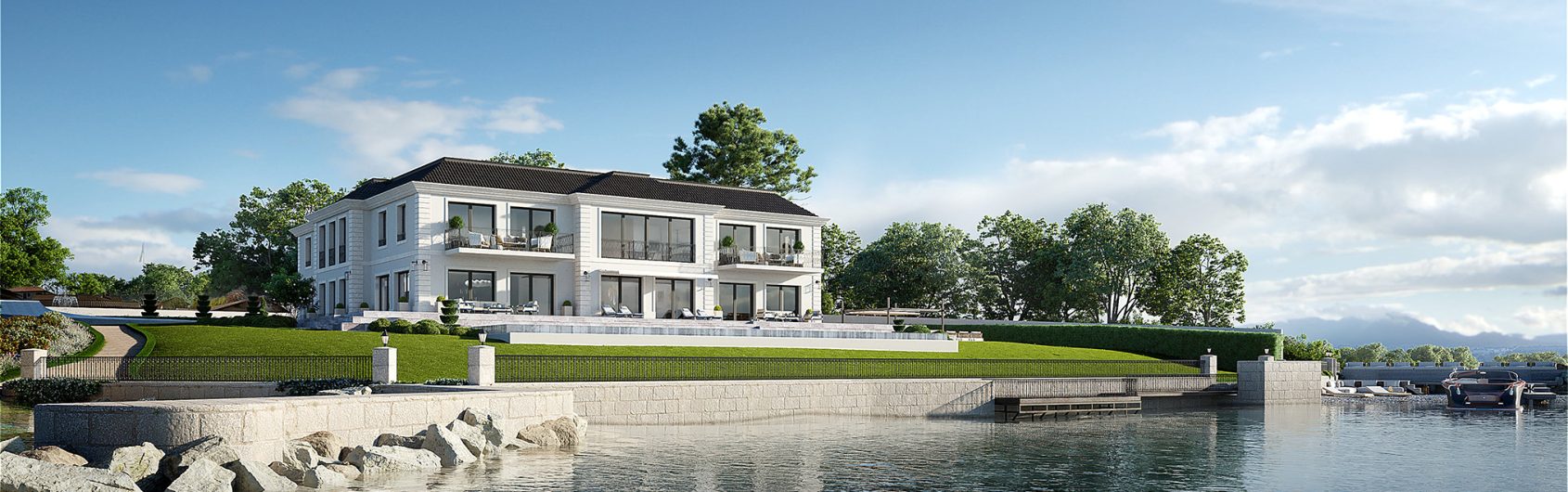
1. The Allure of Heritage Restoration
Historic assets carry a unique blend of cultural gravitas, architectural distinction, and scarcity value. In Europe’s most desirable locations – from city penthouses in Geneva to hillside villas overlooking Lake Geneva – restored properties can command significant premiums over modern equivalents.
Why Heritage Matters to Investors
Heritage architecture is irreplaceable. It carries not just aesthetic appeal but market differentiation. In prime residential markets such as Geneva and the surrounding lakeside municipalities, restored properties in established enclaves consistently command significant premiums over modern equivalents – a reflection of enduring demand for rare, character-rich real estate that cannot be replicated.
Regulatory and Planning Complexity
Restoration projects are often enmeshed in heritage protections, conservation mandates, zoning requirements, and extended planning cycles. While these can increase timelines and cost uncertainty, they also create barriers to competition, preserving value for successful execution.
Unica’s Approach to Heritage Restoration
Across its heritage projects in Geneva and the Swiss lakeside municipalities, Unica Capital has developed a disciplined approach to restoration that balances architectural continuity with the demands of contemporary luxury living. This means navigating local planning frameworks and conservation requirements with care, while applying the same standards of craftsmanship and material quality that define the broader portfolio. The result, in each case, is an asset that honours its original character while delivering the specification and finish that today’s most discerning buyers expect. Where heritage restoration succeeds, it translates rarity and cultural resonance into premium market positioning – often outpacing comparable new builds in long-term capital appreciation.
Where heritage restoration succeeds, it translates rarity and cultural resonance into premium market positioning – often outpacing comparable new builds in long-term capital appreciation.
2. The Efficiency of New Builds
New constructions offer a fundamentally different proposition: control, efficiency, and clarity of specification.
Design Freedom and Operational Performance
With new builds, developers can integrate the latest in energy performance, smart infrastructure, wellness design, and sustainability features from the ground up. These factors not only influence asset quality but also operational costs and investor appeal.
Higher energy-efficiency standards – now commonplace in European luxury developments – contribute to lower ongoing expenses and deliver greater appeal to environmentally conscious tenants and buyers.
Predictability and Timelines
While land scarcity and regulatory hurdles remain in many markets, new builds offer:
- Clear build specifications
- Predictable cost frameworks once permits are secured
- The ability to structure deliverables around market demand curves
This makes them well suited to yield-focused strategies and time-sensitive capital deployment.
In contrast to restoration, Unica Capital’s Villa Carinthia represents the potential of new builds to redefine luxury living. This expansive residence on Lake Geneva demonstrates how meticulous planning, bespoke amenities, and cutting-edge design can produce a trophy asset with significant appeal to ultra-high-net-worth buyers.
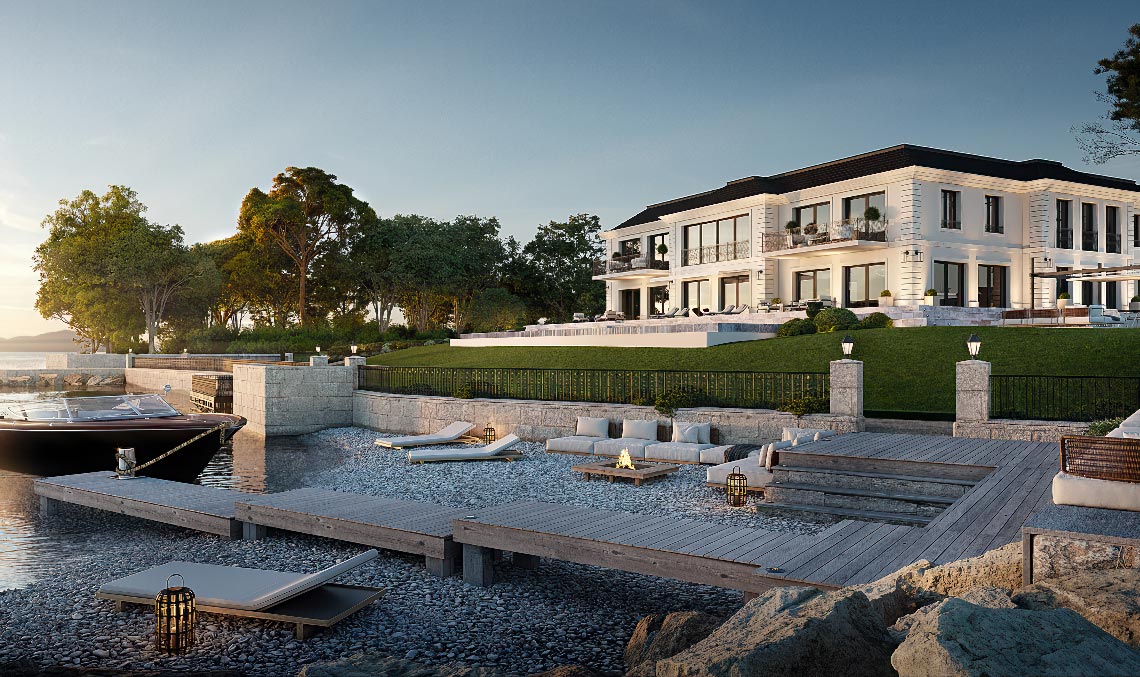
Showcase: Villa Carinthia — A New Benchmark
3. Comparing ROI and Liquidity
Heritage Renovation Investment Dynamics
Renovated historic assets tend to deliver stronger capital appreciation due to:
- Limited competition
- High barriers to replacement
- Desirable aesthetic and cultural appeal
However, they may exhibit lower liquidity and longer marketing periods, as the buyer pool for such asset types is often narrower and more specialised.
New Builds: Income Stability and Exit Clarity
New builds often exhibit:
- Predictable rental yields
- Broader market appeal
- Standardised valuation metrics
According to European market data, prime new-build residential properties typically generate gross rental yields in the 3–5% range, offering stable income streams supportive of diversified portfolios.
The optimal choice depends on whether an investor prioritises capital growth (heritage restoration) or income reliability and liquidity (new builds).
4. Sustainability & ESG Considerations
Adaptive Reuse and Carbon Efficiency
From an ESG perspective, adaptive reuse – renewing existing structures – can produce sustainability benefits by retaining embodied carbon and minimising landfill and demolition waste. This aligns with progressive environmental mandates and can enhance long-term asset narratives for investors with ESG targets.
Operational Efficiency in New Builds
New constructions, when done well, can deliver best-in-class operational sustainability, driven by passive building standards, renewable energy integration, advanced insulation, and smart energy management systems.
Investors should therefore evaluate both the embodied carbon benefits of restoration and the operational efficiencies of new builds against their ESG and reporting priorities.
Conclusion: Matching Strategy to Vision
There is no universal answer to the luxury renovation versus new build debate.
The right choice depends on investment objectives, market conditions, regulatory environments, and investor philosophy.
- Heritage renovation excels for those seeking unique capital appreciation, cultural value, and scarcity-driven pricing.
- New builds suit investors prioritising predictability, operational efficiency, and broader market liquidity.
At Unica Capital, we combine local insight with global perspective to identify and execute opportunities across both strategies, delivering assets that resonate with market demand and investor ambitions alike.
Whether you’re evaluating the merits of luxury renovation vs new build or weighing European property investment strategies more broadly, the best outcomes arise from aligning strategy with vision and execution capability.